The Woods WEHO

Heat waves last 100 years
Los Angeles is experiencing more heat waves and also more extreme heat days. These numbers have increased by over 3 heat waves per century and nearly 23 days per century occurrences, respectively. Both have more than tripled over the past 100 years as a consequence of the steady warming of Los Angeles.
What COVID-19 variant are we on? Currently, the dominant variant nationwide is BQ.1.1. "The original omicron variant is gone now," says Dr. Rupp. "Currently subvariants of omicron are circulating, including BQ.1.1, BQ.1, BA.5, BF.7, and XBB. Dec 14, 2022

What is known about the latest Covid variant?
According to the CDC, the Omicron variant spreads more easily than the original SARS-CoV-2 virus and the Delta variant. In its early days, the variant caused an alarming spike in COVID-19 cases in South Africa—they went from 300 a day in mid-November 2021 to 3,000 a day at the end of that month. Dec 9, 2022
What are the symptoms of the new COVID-19 BA 5 variant?
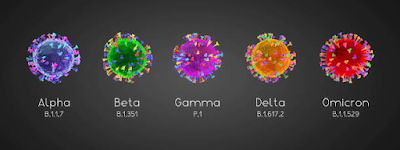
All of the variants, including omicron BA.5, cause similar COVID-19 symptoms:
runny nose.
cough.
sore throat.
fever.
headaches.
muscle pain.
fatigue.


Thunderstorms, hail, blizzards, ice storms, high winds, and heavy rain can develop quickly and threaten life and property.


